
The Role of Luck in Gambling
Luck is an intrinsic element of gambling that many players believe plays a significant role in determining outcomes. This notion of luck can be seen in various forms, such as the belief in lucky numbers or the use of charms and amulets. For instance, some players will intentionally wear a certain piece of clothing or carry a lucky token when visiting a casino, convinced that these items will tilt the odds in their favor, especially at an online casino accepting neosurf , where the atmosphere can further enhance their experience. This psychological aspect can bolster a player’s confidence, potentially leading to better performance regardless of the actual probabilities at play.
While luck is often romantically regarded as a force that can intervene in gambling scenarios, it is essential to remember that casinos operate on statistical probabilities. Each game comes with its odds, which are established through complex mathematics and historical data. For example, in games like roulette, the odds remain constant regardless of previous spins, meaning that each round is independent of the last. Understanding these concepts can help demystify the idea that luck is the sole determinant of success in gambling.
Moreover, the appeal of luck can lead to cognitive biases in players. The ‘gambler’s fallacy’ is one such example, where individuals believe that past outcomes influence future results. If a roulette ball has landed on red multiple times in a row, a player might feel that black is ‘due.’ This belief highlights how luck can distort a player’s perception of chance, leading to irrational bets that have little real impact on the game. Therefore, while luck plays a role, it is crucial to approach gambling with a balanced perspective grounded in understanding odds and probabilities.
The Science of Gambling Odds
In the world of gambling, every game comes with its set odds, which are meticulously calculated to ensure a house edge. This house edge secured by casinos is a statistical advantage that guarantees profitability over time, regardless of luck. For example, in blackjack, the house has a slight edge, meaning that while players can win in the short term, the overall statistical outcome favors the house over an extended period. Consequently, even the luckiest of players will likely face losses when playing consistently.
The random nature of casino games, such as slots or roulette, further complicates the relationship between luck and outcomes. These games utilize Random Number Generators (RNG) to ensure fair play, meaning that every outcome is entirely independent of previous results. This technology is designed to eliminate any predictable patterns, reinforcing the idea that while players may experience streaks of good or bad fortune, they do not influence the long-term averages of the game. Understanding these odds can empower players to make informed decisions rather than relying solely on luck.
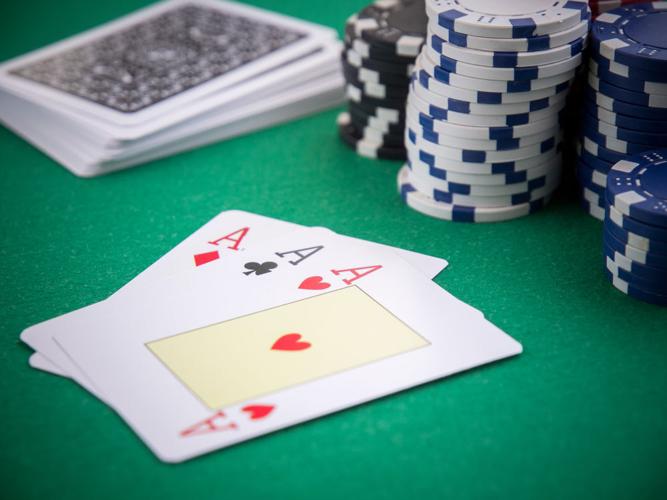
The relationship between skill and luck is also notable in games like poker, where top players utilize strategic play to leverage odds to their benefit. While luck plays a role in the short term, skilled players often dominate in the long run by making better decisions based on probability. This duality of luck and skill means that while luck can significantly impact individual outcomes, it does not define success in gambling. Understanding both elements can lead to a more balanced approach to gambling, whether in casual play or professional settings.
The Influence of Psychological Factors
Psychology plays a significant role in gambling, impacting how players perceive luck and outcomes. One aspect involves the placebo effect, where a player’s belief in their luck can enhance their experience and performance. This psychological influence can lead to more confident betting and decision-making, which, while not changing the fundamental odds, can affect how a player engages with the game. Thus, the power of belief shouldn’t be underestimated in the casino context.
Additionally, the emotional highs and lows of winning and losing can influence players’ strategies and behaviors. The thrill of a win can lead to what is known as «chasing losses,» where players attempt to recover their losses by making larger bets, driven by the hope that luck will eventually turn in their favor. This behavior can be dangerous, often leading to greater losses. Recognizing these emotional triggers is vital for players who wish to maintain control over their gambling habits.
Furthermore, the social environment of casinos can amplify the perception of luck. The excitement of winning surrounded by fellow players can create a sense of shared luck, which can encourage riskier behavior. Observing others’ wins can lead players to believe they too can replicate such luck, blurring the lines between skill, chance, and thrill. Understanding how psychological factors influence perceptions of luck can be crucial for any gambler aiming to approach the tables with a level head and realistic expectations.
Strategies to Balance Luck and Probability
While luck is an undeniable aspect of gambling, players can adopt strategies to mitigate its influence and rely more on probability and informed decision-making. One fundamental strategy is to familiarize oneself with the game rules and odds. Knowledge of how a game works and knowing the house edge can significantly impact a player’s experience, allowing them to make better bets based on solid information rather than chance alone. This approach fosters a more strategic mindset, which can counteract the randomness associated with luck.
Bankroll management also plays a critical role in balancing luck with skill in gambling. Players should establish limits on how much they are willing to spend and stick to those limits, regardless of luck fluctuations. This disciplined approach helps players enjoy their experience without falling into the pitfalls of emotional betting. Recognizing when to walk away, especially after a win, can also reinforce a player’s long-term enjoyment without being overly reliant on luck.
Lastly, choosing the right games based on one’s skill level and understanding can further enhance a player’s ability to manage luck. Games with a high degree of skill, such as poker, can provide opportunities for informed decision-making that leverage statistical advantages. Players can also practice strategies or use free versions of games to refine their skills before wagering real money. Such preparation allows players to be more equipped to handle the inherent luck that comes with gambling, leading to a more rewarding experience overall.
About Our Website
Our website is dedicated to providing comprehensive insights into the world of gambling, examining various factors including luck, strategies, and game dynamics. We aim to educate both novice and seasoned players on how to navigate the often complex casino landscape, ensuring they are well-informed and confident in their gaming choices. Whether you are looking for tips on managing your bankroll or understanding the odds, our extensive resources have you covered.
We believe that a knowledgeable player is a successful player. Our articles delve into the fascinating interplay between luck and strategy, offering advice and insights that empower users to enhance their gambling experience. With a focus on responsible gaming, we also provide information on recognizing the signs of gambling addiction and maintaining healthy gaming habits. Our commitment to fostering a safe and enjoyable gambling environment is reflected in every piece of content we produce.
Join our community of gambling enthusiasts and gain access to a wealth of information curated for your benefit. From game strategies to psychological insights, we strive to equip you with the tools necessary for a fulfilling casino experience. Explore our website regularly to stay updated on the latest trends and strategies in gambling, and embark on your journey with the confidence that you are prepared for whatever the next roll may bring.